Understanding the seasonal surge in demand, its impact on prices and delays across all transport modes.
In the intricate world of global logistics and supply chains, the term “peak season” carries a heavy connotation. Far from being a quiet period, it represents a predictable, yet often tumultuous, surge in demand that puts immense pressure on every mode of transport, from ocean freight to last-mile delivery. This annual cycle, primarily driven by major retail events and consumer holidays, triggers a cascade of effects: **higher prices, extended delays, and operational bottlenecks** that ripple through the entire economic ecosystem. Understanding the dynamics of peak season is crucial for businesses and consumers alike to navigate its challenges effectively.
What is Peak Season and When Does It Occur?
Peak season generally refers to the period of heightened shipping activity that precedes major consumer spending events. While there can be minor peak periods throughout the year, the most significant and globally impactful one typically runs from **late summer through the end of the calendar year**. Key drivers include:
- **Back-to-School Season (August-September):** A smaller, but notable, surge as retailers stock up on school supplies, electronics, and apparel.
- **Autumn/Fall Collections (September-October):** New fashion lines and seasonal goods hit the market.
- **Black Friday/Cyber Monday (November):** The unofficial start of the holiday shopping spree, demanding massive inventory pre-positioning.
- **Christmas and New Year’s Holidays (November-December):** The biggest driver, leading to a scramble for consumer goods, gifts, and seasonal products.
- **Chinese New Year (January-February, following peak season):** While technically after the Western peak, the factory shutdowns in Asia often lead to a “pre-CNY rush” in December and early January as companies try to get goods out before the extended closures, creating an additional layer of complexity.
In addition to these, regional holidays and events can create localized peaks, but the Q3-Q4 period is universally recognized as the major global crunch time for logistics.
The Impact on Prices: A Supply-and-Demand Equation
The most immediate and tangible effect of peak season is on pricing across all transport modes. This is a classic case of **supply and demand**. As demand for shipping capacity skyrockets, the available supply of vessels, aircraft, trucks, railcars, and even containers becomes constrained, allowing carriers and logistics providers to charge premium rates.
- Ocean Freight: During peak season, ocean carriers implement **General Rate Increases (GRIs)** and **Peak Season Surcharges (PSS)**. Spot rates can surge dramatically, sometimes doubling or tripling on major trade lanes compared to off-peak periods. Limited vessel space and equipment availability mean shippers often pay a premium to secure a booking.
- Air Freight: Air cargo is inherently more expensive, but peak season amplifies this. Increased e-commerce demand, combined with limited belly capacity on passenger flights (especially during pandemic recovery), drives up rates. Express services become even more costly as space on dedicated freighters fills up rapidly.
- Road/Trucking: Trucking capacity becomes scarce, particularly for long-haul and specialized shipments. Fuel surcharges, driver wages, and equipment availability all contribute to higher prices. Retailers require more frequent deliveries, overwhelming local drayage and over-the-road networks.
- Rail Freight: While often a more cost-effective option, rail freight also experiences congestion surcharges and reduced service reliability during peak times. Intermodal containers may face longer dwell times at rail yards.
- Warehousing & Storage: Demand for storage space increases as businesses build safety stock, leading to higher warehousing rates and potentially full facilities.
These increased costs are ultimately passed down the supply chain, contributing to higher retail prices for consumers.
The Scramble for Space: Understanding Delays
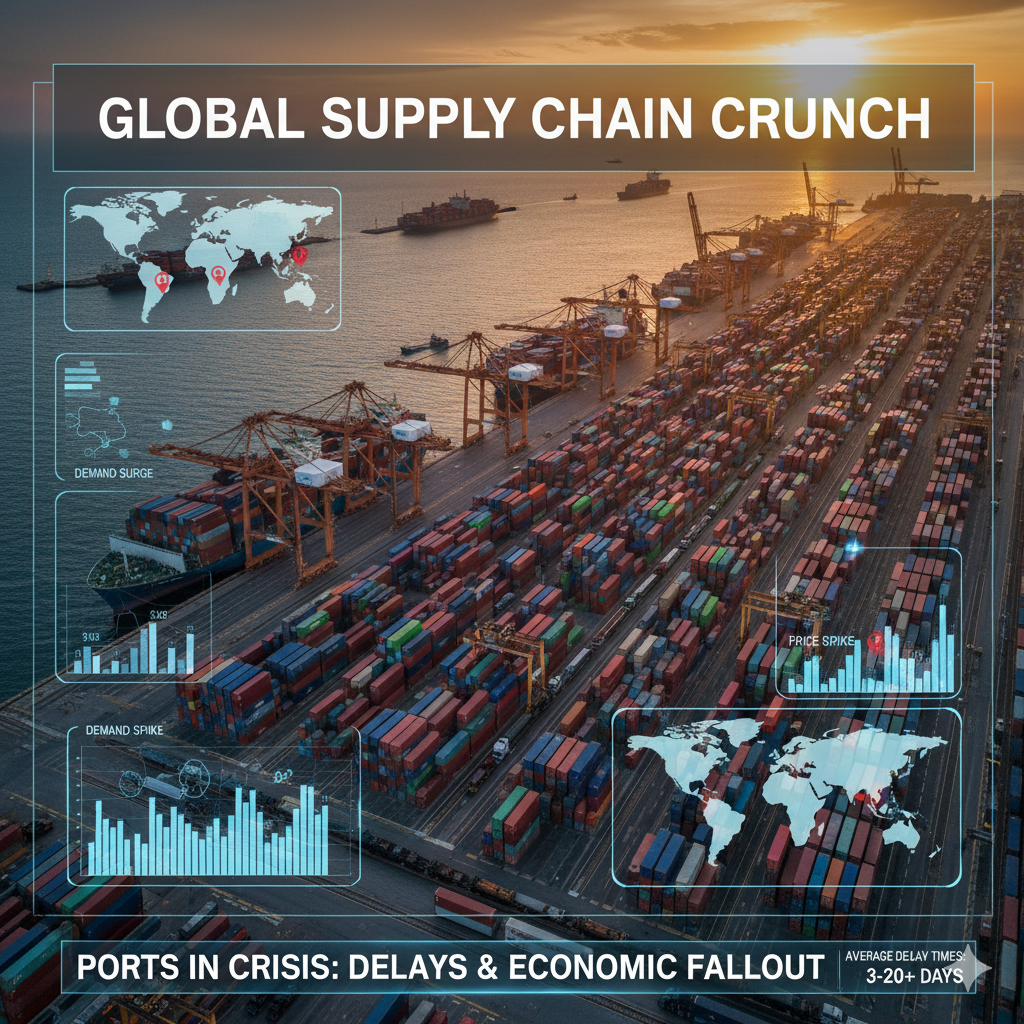
Beyond pricing, delays are the most frustrating consequence of peak season. Every link in the supply chain stretches to its limit, creating bottlenecks.
Ocean Freight Delays:
- Port Congestion: A massive influx of vessels arriving simultaneously overwhelms port infrastructure, leading to long queues for berthing, extended offloading times, and increased dwell times for containers.
- Vessel Rollovers: When a ship is overbooked or delayed, containers may be “rolled over” to a later vessel, causing unpredictable delays for shippers.
- Equipment Shortages: A shortage of chassis to move containers from ports, and an imbalance of empty containers, exacerbate delays.
- Labor Shortages: Overworked port workers, truck drivers, and warehouse staff can slow down operations.
Air Freight Delays:
- Capacity Constraints: Limited space on cargo planes, especially for larger shipments, can lead to goods being bumped or delayed.
- Airport Congestion: Increased traffic at cargo terminals and customs facilities can slow processing.
- Weather Disruptions: Poor weather conditions, more common in Q4, can severely impact flight schedules and ground operations.
Road/Trucking Delays:
- Driver Shortages: The perennial lack of drivers is acutely felt during peak season, making it hard to find capacity.
- Traffic Congestion: More trucks on the road, combined with increased overall traffic, leads to longer transit times.
- Warehouse Queues: Trucks often wait for hours at busy warehouses and distribution centers to pick up or drop off goods.
- Last-Mile Strain: E-commerce growth puts immense pressure on local delivery networks, extending delivery windows.
Rail Freight Delays:
- Yard Congestion: Intermodal rail yards become overloaded with containers, slowing down transfers to trucks.
- Network Capacity: Increased volume can strain rail lines, leading to slower speeds and longer transit times.
Causes of Peak Season Strain: More Than Just Demand
While increased consumer demand is the primary trigger, several underlying factors contribute to the severity of peak season challenges:
- Inelastic Infrastructure: Ports, airports, roads, and rail networks have finite capacity. They cannot instantly expand to meet temporary spikes in demand.
- Labor Dynamics: Shortages of skilled labor (drivers, port operators, warehouse workers) are exacerbated when demand surges. Attracting and retaining staff becomes more difficult during intense periods.
- Equipment Availability: The global fleet of containers, chassis, and specialized handling equipment is finite. Imbalances and slow turnarounds during peak times create bottlenecks.
- Supply Chain Fragility: Modern “just-in-time” supply chains are highly efficient but lack resilience. A single disruption during peak season can have amplified, cascading effects.
- Forecasting Challenges: Despite sophisticated analytics, accurately predicting the precise magnitude and timing of peak demand remains a challenge, leading to either overcapacity (costly) or undercapacity (delays and lost sales).
- Global Interconnectedness: A disruption in one part of the world (e.g., a port closure due to a typhoon) can have ripple effects globally as vessels reroute and schedules are thrown off.
Strategies for Navigating Peak Season
For businesses, proactive planning is the only way to mitigate the risks of peak season:
- Early Planning: Book shipments well in advance, even if it means holding inventory longer.
- Diversify Sourcing and Shipping: Explore alternative routes, carriers, or modes of transport.
- Build Safety Stock: Increase inventory levels strategically to absorb potential delays.
- Leverage Technology: Utilize advanced analytics and visibility tools to track shipments and anticipate issues.
- Communicate Proactively: Set clear expectations with customers regarding potential delays and delivery timelines.
- Consider Different Incoterms: Adjusting Incoterms can shift responsibility and control over the logistics process.
Peak season is a test of resilience for global logistics. While it brings significant challenges in terms of increased costs and potential delays across all modes of transport, a deep understanding of its causes and strategic foresight can help businesses weather the storm and ensure their goods reach their destinations, albeit with careful navigation.