

Exploring the benefits, drawbacks, and procedures of shipping your extra luggage via dedicated cargo services.
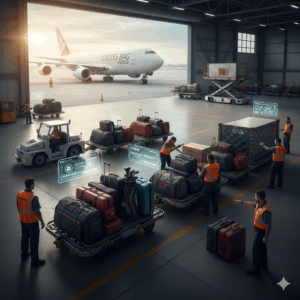
Dedicated cargo services offer a robust solution for managing excess baggage beyond standard airline allowances.
Traveling, whether for business, relocation, or an extended holiday, often comes with the inevitable challenge of managing luggage. Airlines, with their increasingly strict baggage policies and exorbitant excess baggage fees, have made it a common dilemma for passengers: **how to transport more than the allowed weight or number of bags without breaking the bank?** While paying the airline at the check-in counter is one option, a growing number of travelers are discovering the benefits of sending their excess baggage as dedicated cargo. This alternative offers a potentially more cost-effective and convenient solution, but it comes with its own set of considerations.
This article will delve into the world of shipping excess baggage as cargo, examining the pros and cons, and outlining the typical procedures involved, to help you make an informed decision for your next journey.
What Does “Excess Baggage as Cargo” Mean?
When you send excess baggage as cargo, you are essentially treating your personal effects as a separate shipment, handled by a dedicated freight forwarder or a specialized excess baggage service, rather than checked luggage on your passenger flight. This cargo can travel by air freight, sea freight, or even road/rail, depending on the urgency, destination, and volume. For international travel, air freight is the most common method for excess baggage as cargo due to its speed compared to sea freight, which is better suited for very large volumes or non-urgent relocations.
Pros of Sending Excess Baggage as Cargo
Advantages
- Cost-Effectiveness: This is often the primary driver. For significant amounts of excess baggage (e.g., more than one or two extra bags), shipping as cargo can be **substantially cheaper** than paying airline excess baggage fees. Airlines charge per kg or per piece, and these rates quickly add up.
- Greater Weight & Size Allowances: Cargo services are designed to handle larger, heavier, and often oddly-shaped items that airlines might refuse or charge excessively for. This is ideal for sports equipment (golf clubs, surfboards), musical instruments, or specialized gear.
- Convenience (Door-to-Door Service): Many cargo services offer door-to-door collection and delivery, meaning you don’t have to lug heavy bags to and from the airport. This significantly reduces stress and physical exertion.
- Reduced Airport Hassle: No need to struggle with oversized luggage at check-in, worry about exceeding weight limits at the last minute, or face lengthy waits at the baggage carousel upon arrival.
- Improved Security & Handling: Cargo is typically handled with industrial care and security protocols. While no system is flawless, items sent as cargo often experience less rough handling than checked luggage, and tracking systems are generally more robust.
- Customs Expertise: Reputable cargo companies have expertise in customs regulations for various countries, helping to ensure proper documentation and minimize delays or unexpected duties.
Disadvantages
- Transit Time: This is the main trade-off. Cargo shipments, especially air freight, generally take longer than your direct passenger flight. You might be without your items for several days to a week or more, depending on the service level and destination.
- Less Flexibility: Once shipped, rerouting or retrieving your cargo is much more complex and costly than with checked baggage.
- Customs Clearance Responsibility: While cargo companies assist, the ultimate responsibility for customs clearance, potential duties, and taxes at the destination often lies with the recipient. This requires understanding local regulations.
- Required Documentation: You’ll need to provide more detailed documentation (packing lists, commercial invoices for customs, copies of passports/visas) than for checked baggage.
- Pickup/Delivery Coordination: If not using door-to-door, you will need to arrange for pickup at a cargo terminal, which might be located away from the main passenger terminal and have specific operating hours.
- Minimum Charge Thresholds: Cargo services often have minimum weight or volume charges. For very small amounts of excess baggage (e.g., just 5-10kg over the limit), it might still be cheaper to pay the airline fee.
- Packing Requirements: Items must be securely packed, often in sturdy boxes, suitcases, or travel bags suitable for cargo handling. Some services may require specific packaging.
Procedures for Sending Excess Baggage as Cargo
While specific steps may vary between providers and destinations, here’s a general outline of the process:
1. Research and Obtain Quotes
- Identify Providers: Look for specialized excess baggage companies, international movers, or general freight forwarders. Examples include Send My Bag, Luggage Forward, or major logistics companies like DHL, FedEx, and UPS (though these can be pricier for personal effects).
- Gather Information: Be ready to provide details such as:
- Total weight (estimated or actual) and dimensions of each piece.
- Number of pieces.
- Origin and destination addresses.
- Desired delivery timeline (e.g., express air, standard air, sea).
- A clear description of the contents for customs purposes.
- Compare Quotes: Get quotes from multiple providers, comparing not just the base price but also what’s included (e.g., insurance, customs clearance assistance, door-to-door service, tracking).
2. Packaging Your Items
- Secure Packing: Ensure all items are securely packed in sturdy boxes, travel cases, or luggage designed to withstand transit. Consider using bubble wrap, foam, or clothing to cushion fragile items.
- Labeling: Clearly label each piece with your name, contact information, destination address, and a reference number provided by the cargo company.
- Inventory List: Create a detailed packing list of all contents for your records and for customs documentation.
3. Documentation and Customs
- Required Documents: You’ll typically need to provide:
- Copy of your passport.
- Copy of your airline ticket/e-ticket (for air cargo).
- A detailed packing list.
- A “commercial invoice” or “proforma invoice” for customs, even for personal effects, stating “personal effects, no commercial value” or assigning a nominal value for insurance/customs purposes.
- Any necessary permits for restricted items.
- Customs Declarations: The cargo company will guide you through the customs declaration process. Be honest and accurate about the contents and value of your shipment to avoid delays and penalties.
- Duties and Taxes: Understand that your goods may be subject to import duties, taxes (like VAT or GST), or customs clearance fees in the destination country. These are usually the responsibility of the recipient and are not always included in the initial shipping quote.
4. Collection and Tracking
- Collection/Drop-off: If you opted for door-to-door, the company will arrange a pickup time. Otherwise, you’ll need to drop off your packed items at their designated facility or a cargo agent.
- Tracking: Most reputable cargo services provide a tracking number, allowing you to monitor your shipment’s progress online.
5. Delivery and Clearance at Destination
- Notification: The cargo agent at the destination will typically contact the recipient once the shipment arrives and is ready for customs clearance.
- Customs Clearance: You (or your appointed agent) will need to complete local customs formalities and pay any applicable duties, taxes, or clearance fees.
- Delivery/Pickup: Once cleared, the goods will be delivered to your door (if door-to-door service was chosen) or made available for pickup at the cargo terminal.
When is Cargo the Best Option?
Sending excess baggage as cargo is particularly advantageous for:
- Relocations/Long-Term Stays: When moving to a new country and needing to transport a significant volume of personal belongings.
- Students Studying Abroad: For textbooks, seasonal clothing, and personal items.
- Expats and Digital Nomads: Who require more than just a suitcase or two for extended periods.
- Specialized Equipment: Carrying sports gear, art supplies, or professional tools that exceed airline limits.
- Shipping Gifts or Purchases: When you’ve bought too much on a trip and don’t want to pay the airline’s premium.
In conclusion, while the allure of having all your belongings arrive on the same flight as you is strong, the financial and logistical realities of modern air travel often make shipping excess baggage as cargo a superior and more sensible alternative. By understanding the trade-offs in terms of transit time, meticulously preparing your shipment, and choosing a reliable service provider, you can navigate your travels with less stress and a lighter wallet.